
The production of piled steel involves techniques and skills that are sometimes complex, based on a considerable body of theoretical knowledge and practical experience.
In this experiment I wanted to test the waters in practice, that is, by trying my own hand at making a blade made up of 6 layers.
So I started from a billet made up of 3 layers of two different steels with different carbon contents (C40 and C70). I put the billet together as follows:
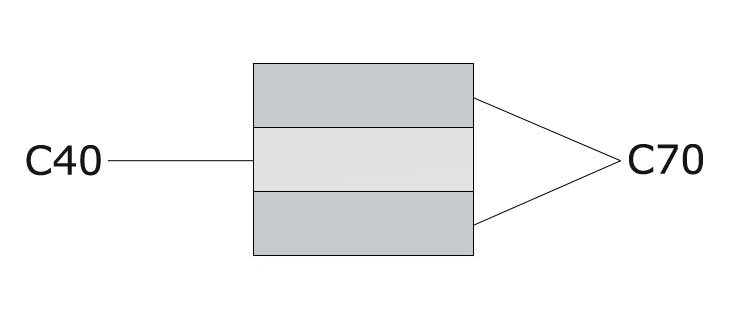
I joined the 3 steels with a (modern) weld and added an iron bar so that I could work it more easily, then I brought the forge up to temperature and placed the billet in the centre of the fire.
The first tricky operation, which calls for a good deal of experience, is undoubtedly reaching welding heat. At this temperature, in fact, the metal begins to melt, and it is precisely this surface state that allows the intimate bonding of the metals previously placed together, in other words their welding. Once this temperature had been reached (the metal was starting to melt, throwing off showers of sparks) I left the billet in for about ten more seconds, then took it out and immediately hammered it on the anvil. I noticed that the various metals must already be partially welded when they come out of the forge, because if they were not, the hammer blows could knock them apart.
With several further heats I flattened the surface and then moved on to the actual lamination stage, that is, folding the metal back on itself to obtain a new billet with twice as many layers as the previous one: in this case 6.
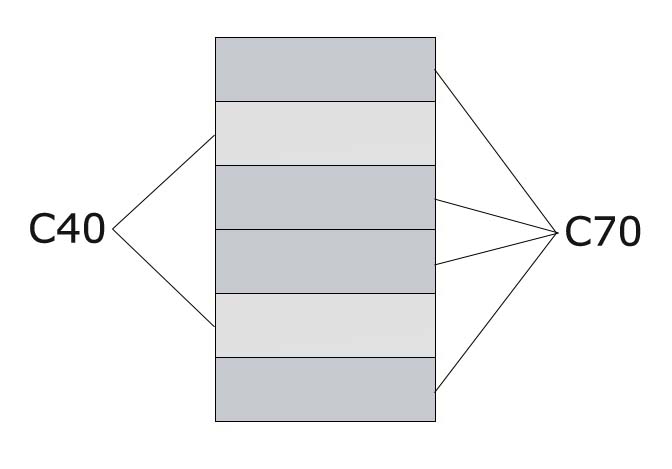
The new billet then has to be welded onto itself, proceeding in the same way: bringing the whole thing to welding heat in the forge fire and then hammering it.
Given the (albeit modest) success of the operation, I decided to stop there and shape the blade, although it would have been possible to carry on with further folds or twists, obtaining blades with refined decorative patterns.
The result, roughly ground and cleaned up, is as follows:
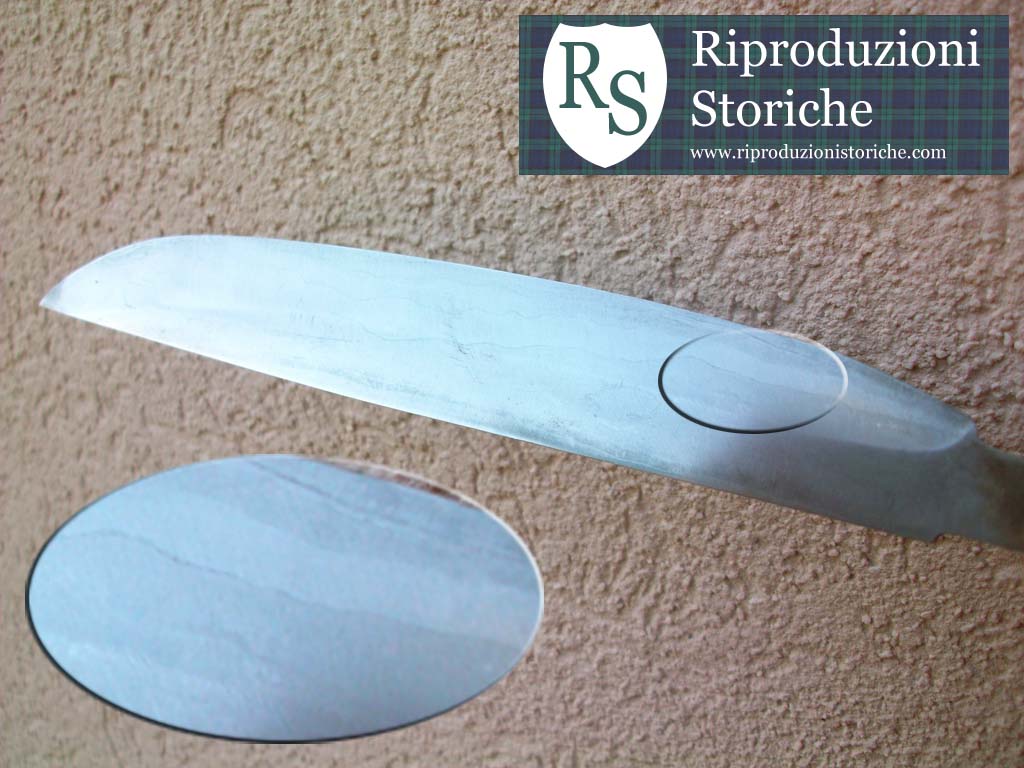
As you can see, traces of the layers of the two different steels it is made of can be seen in the blade, though they are still faint because they have not undergone any chemical treatment.
Below are more photos of the blade in its current state:
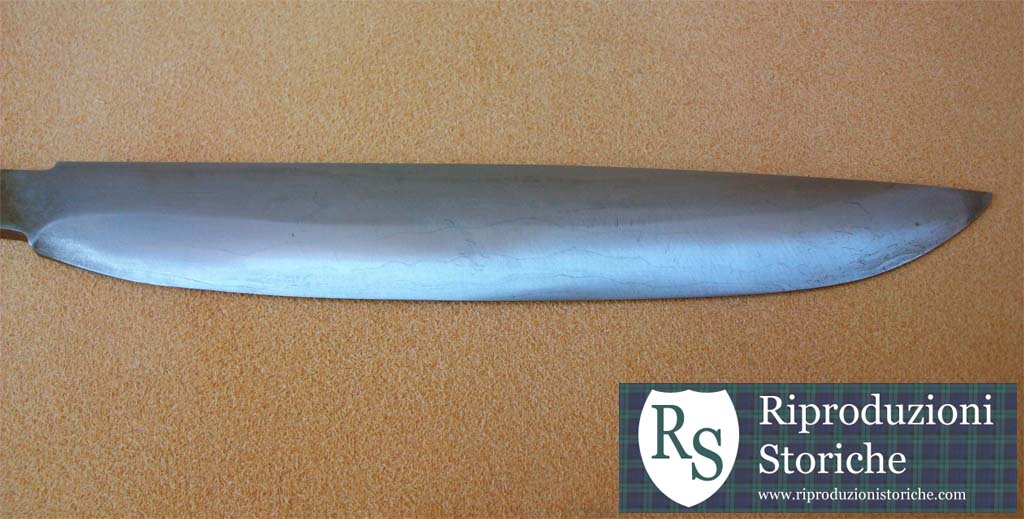
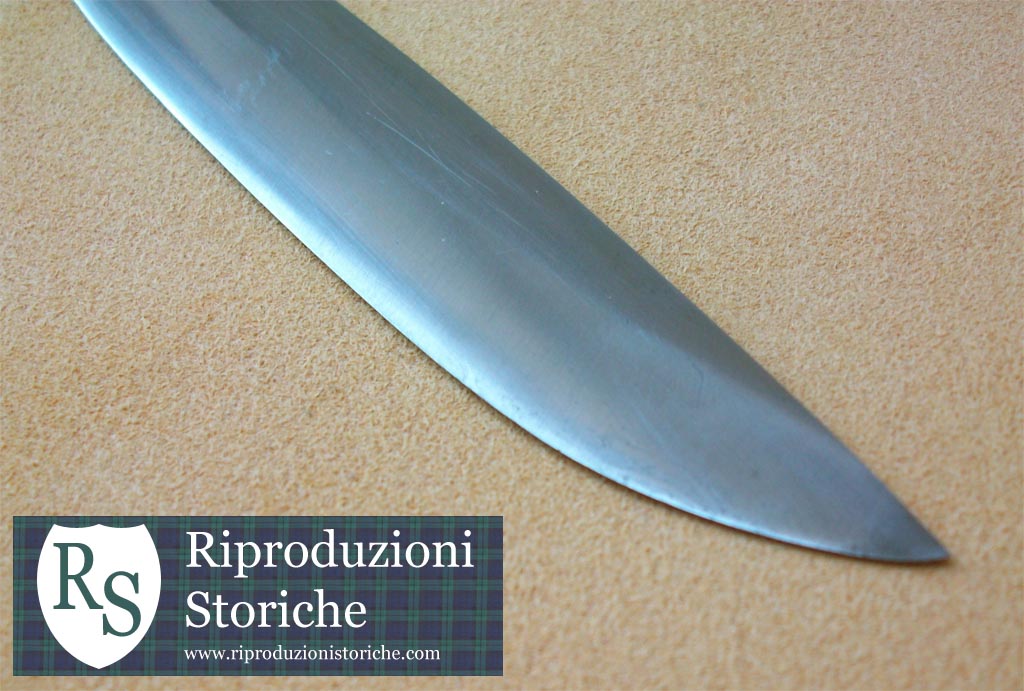
Once the blade has been polished and hardened, it will be possible to immerse the whole blade in a bath of hydrochloric acid to bring out its delicate pattern. The acid will in fact corrode the two steels differently, highlighting the layers on the blade itself.