The quiver is a roughly cylindrical case, made from a wide variety of materials, designed to hold arrows and allow them to be used conveniently when shooting with a bow.
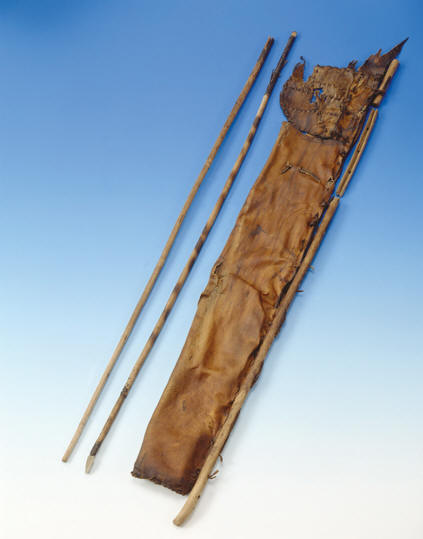
One of the most significant and oldest traces of the use of quivers in history is undoubtedly the one carried by the Similaun mummy, commonly also known as Otzi. This man, who lived 5,000 years ago (according to the latest carbon-14 dating), carried a chamois-leather quiver, elongated and rectangular in shape, with leather stitching and stiffened along one side by a hazel-wood rod, 92 cm long (Fig. 1). Experts believe it was carried on a shoulder strap (not preserved) and that the protruding arrows were covered by a leather hood (also not preserved) to protect them from the weather. Although very old, this quiver already perfectly expresses the practical concept behind its function: making nocking as fast as possible while allowing a certain number of arrows to be carried comfortably, taking care not to damage them in transit: it is no coincidence that the man laid the quiver on a rock ledge before he died.
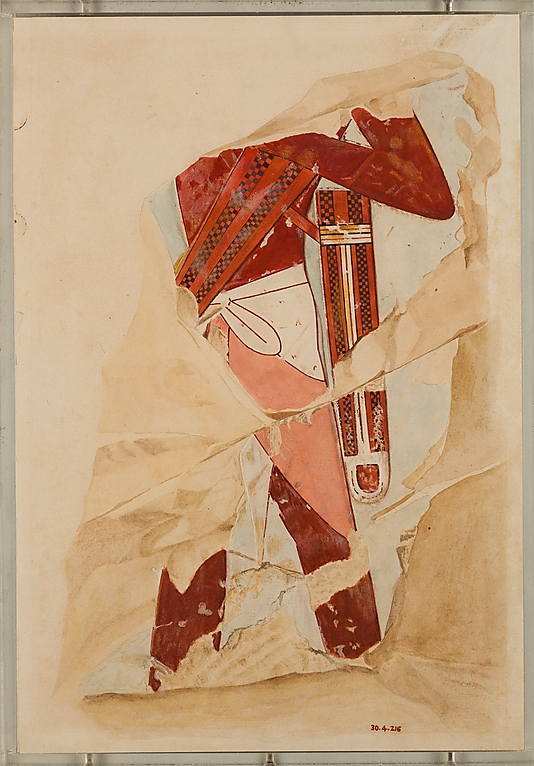
In Egypt several depictions bear witness to the practice of archery, and invariably quivers containing arrows appear on the archers’ backs: one example is the tomb of Puyemre, which clearly shows a man with a decorated quiver slung over his shoulder (Fig. 2). Some hunting scenes depict hunters in the act of loosing an arrow at their prey,
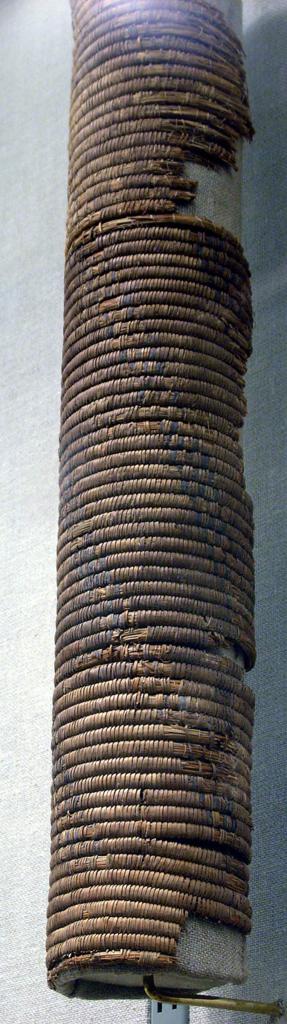
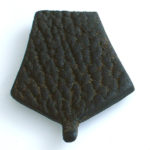
Along with leather (Fig. 4), wooden materials woven to form a cylinder could also be used, as shown by the find from Deir el-Bahri (Fig. 5). Thanks to fortunate finds we also know that leather forearm guards were already in use at the time of the 12th Dynasty (Fig. 6); some were even found still tied to the forearms of men buried in a mass grave, who probably died in battle, as their wounds testify.
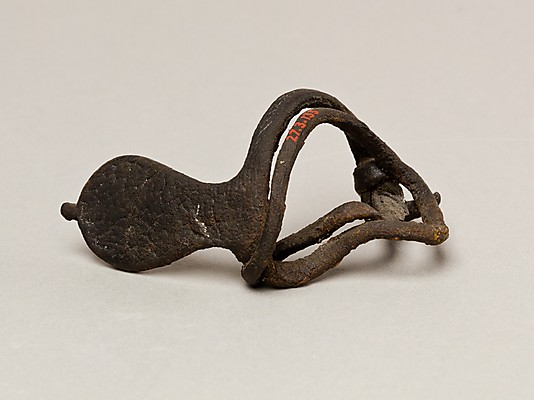
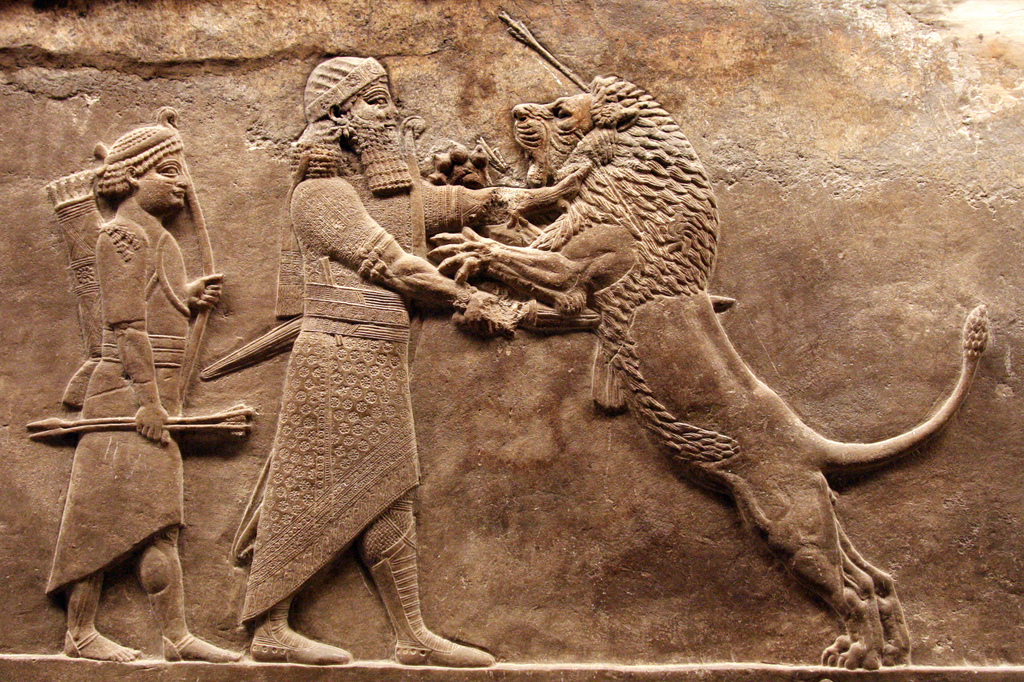
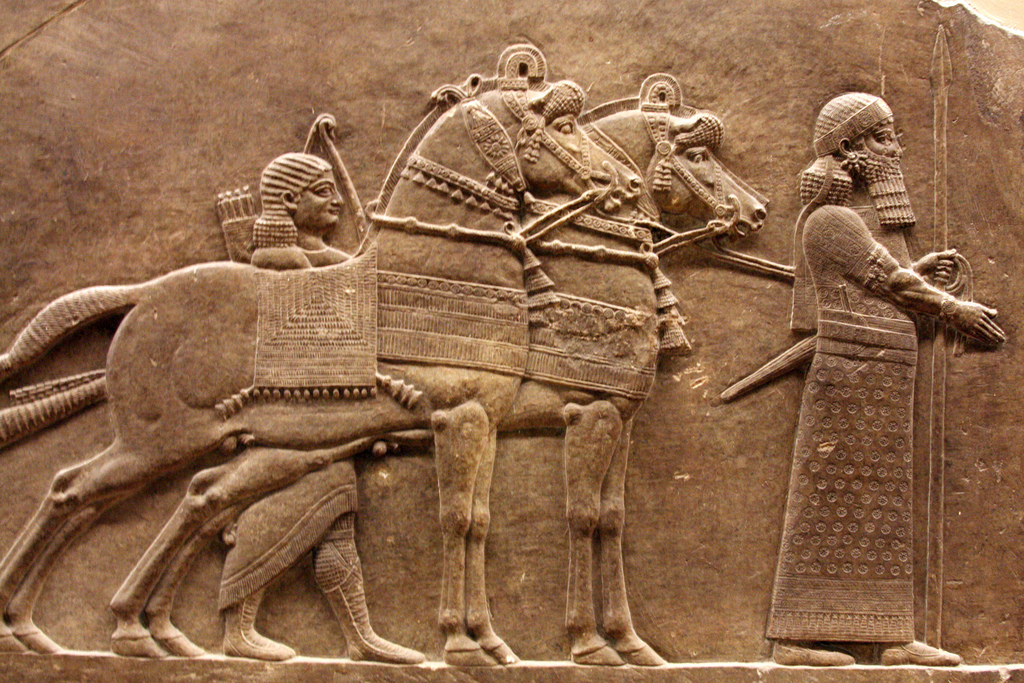
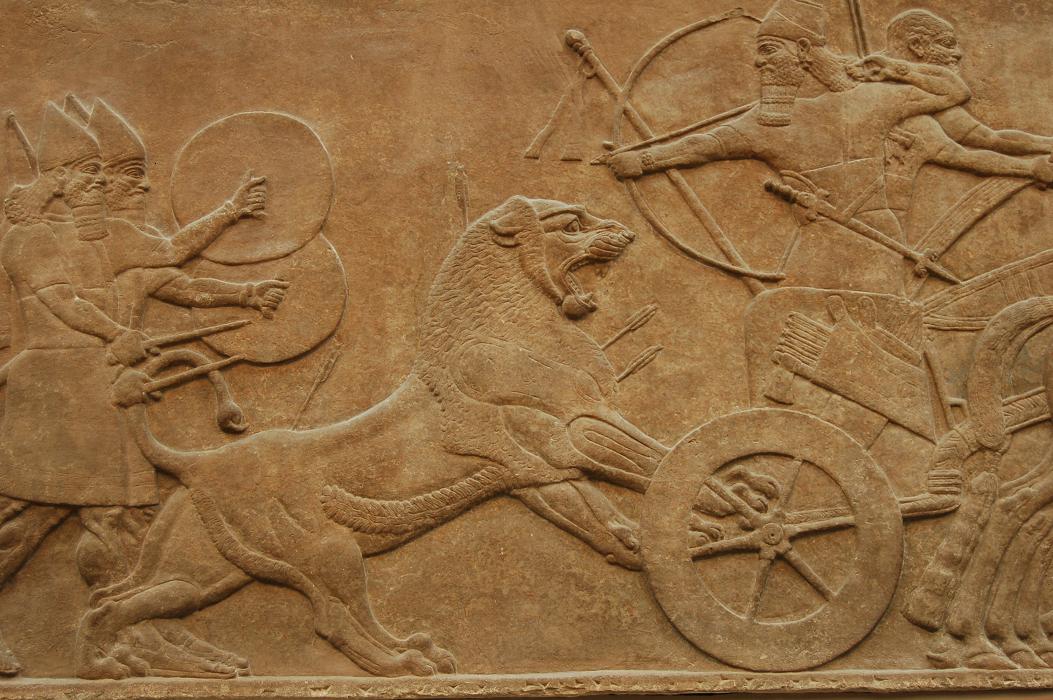
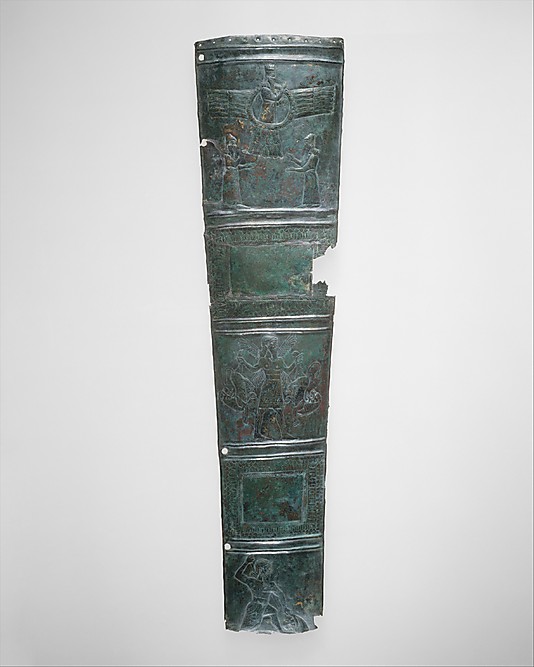
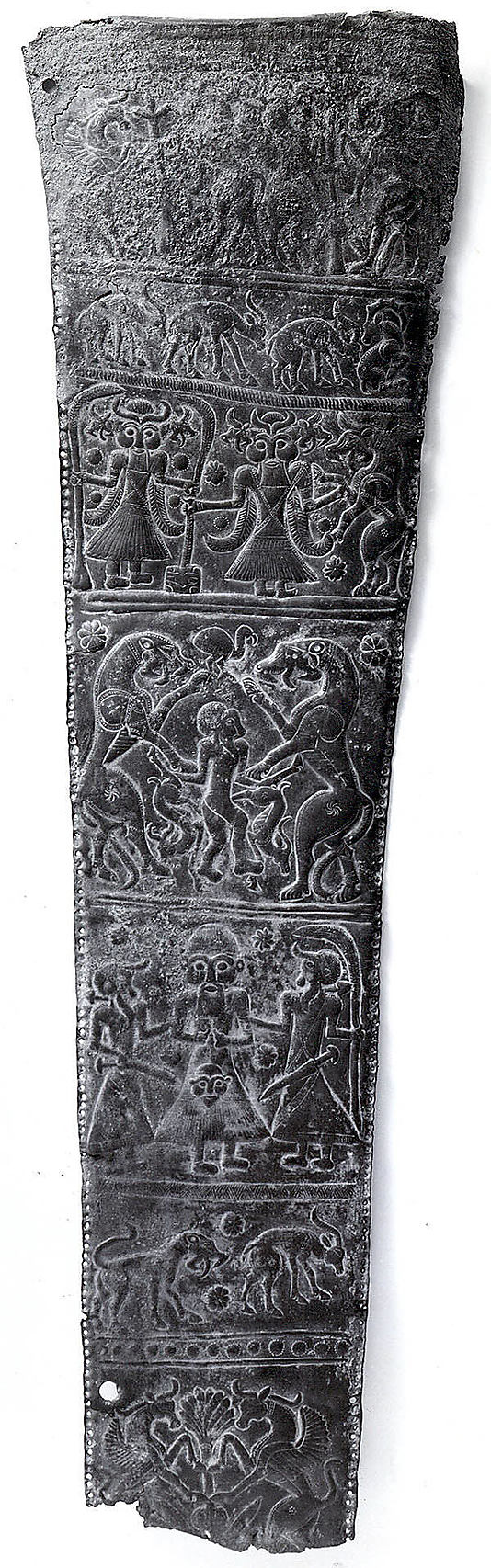
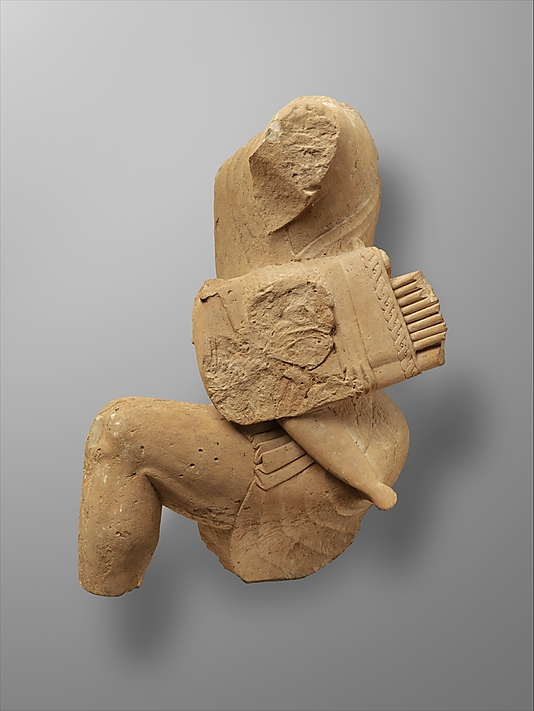
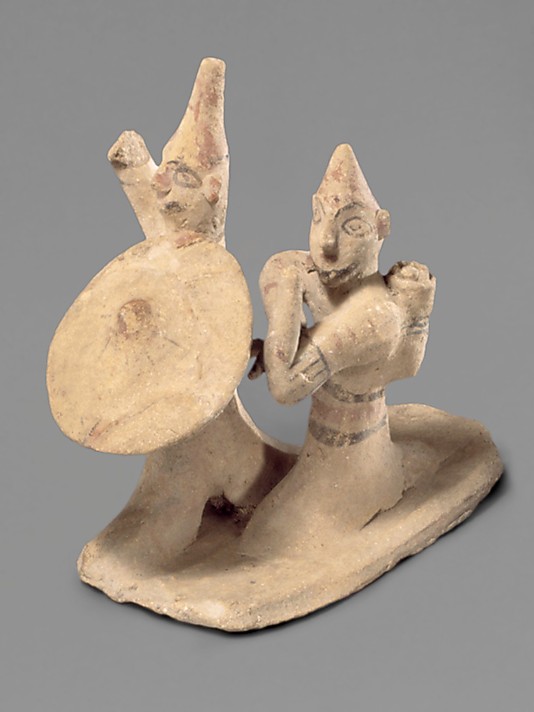
In the Middle East, different types of quiver appear in Iranian sculptures and reliefs of the 7th-6th century BC, for example at Persepolis (Fig. 7) and Nineveh (Fig. 8), but above all there are some metal finds, probably applied as decorative plates to a leather structure (Fig. 9-10), dating back as far as the 9th-8th century BC. In Cyprus, around the turn of the 6th-5th century BC, a statue was found depicting Heracles as an archer (Fig. 11): on his left side he wears a quiver on a shoulder strap, on which the ornament running around the upper rim is visible, with numerous arrows inside. The same type of quiver, worn behind the left shoulder, appears on another terracotta statuette, also from Cyprus (Fig. 12).
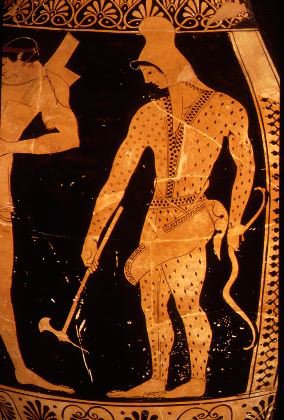
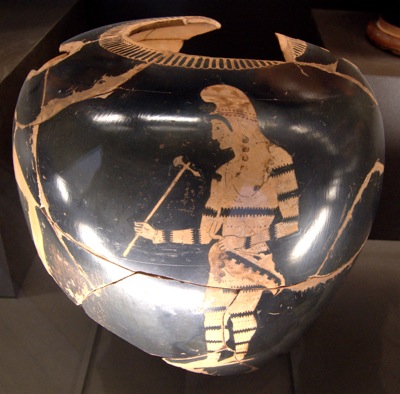
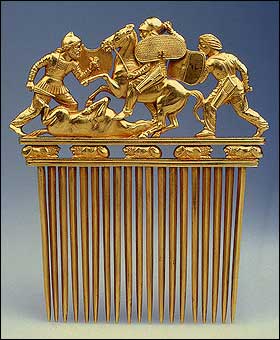
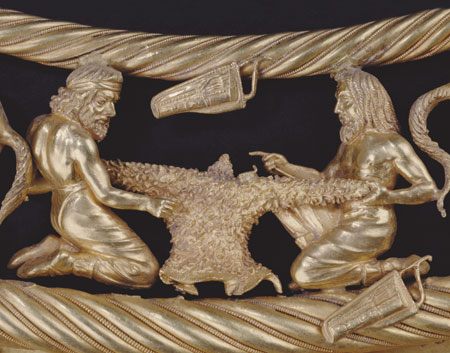
The habit of carrying the quiver slung behind the shoulders seems to have been established for thousands of years; however, in the Asian steppes a people of mounted archers adopted a different way of carrying it, no longer on a shoulder strap but on the belt: the gorytos. This is a “pocket”-type quiver designed to hold the bow, and sometimes the arrows as well, ideal for shooting from horseback, a speciality in which the Scythian peoples were true masters. Scythian archers are depicted on pottery (Fig. 13-14), on a gold comb of the 5th-4th century BC (Fig. 15) and on a gold pectoral of the 4th century BC (Fig. 16). Also of interest is the find from Chertomlyk, a gorytos decoration made entirely of gold with scenes from the life of Achilles, likewise dating to the 4th century BC (Fig. 17).
Figure 1. Quiver and arrows from Otzi’s equipment, 3350-3100 BC [photo source: http://www.iceman.it]
Figure 9. Bronze quiver decoration, 9th-8th century BC, dimensions 54 x 14 cm, Mesopotamia (Iran) [photo source: http://www.metmuseum.org]Figure 10. Bronze quiver decoration, 8th-7th century BC, dimensions 53 x 15 cm, Iran [photo source: http://www.metmuseum.org]Figure 11. Terracotta statue of Heracles as an archer, 6th-5th century BC [photo source: http://www.metmuseum.org]
Figure 12. Terracotta statue depicting two warriors, one of whom is armed with a bow and carries a quiver slung over his shoulder, 6th century BC [photo source:http://www.metmuseum.org]Figure 13. Barefoot Scythian archer wearing a kidaris (a typical cap with two long flaps), a tunic and a gorytos (bow case), holding an axe and a bow. Attic red-figure amphora, 500 BC [photo source: internet]Figure 14. Scythian archer, Attic red-figure amphora, 510-500 BC [photo source: internet]Figure 15. Gold comb with Scythians in battle, late 5th-4th century BC
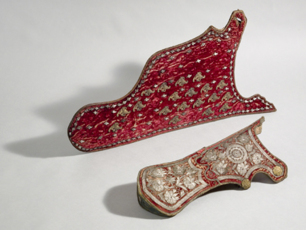
Figure 16. Scythian gold pectoral, mid-4th century BC, from Kurgan Tolstaja Mogila near Ordzoninidze (Ukraine) [photo source: internet]Figure 17. Gold-sheet quiver decoration depicting scenes from the life of Achilles, third quarter of the 4th century BC, Chertomlyk (northern Ukraine) [photo source: internet]Two quivers (kirban and terkesh), one of leather, velvet and silver, the other of leather, velvet, sheet brass and silver thread; Ottoman period, 17th century, Anatolia, kept in the Medieval Civic Museum of Bologna. The larger quivers were used to hold the bow already strung and therefore ready for use, with the long, straight side corresponding to the position of the string. The smaller ones – often with an internal wooden stiffener – were used for the arrows. The Bologna kirban, with its bright red velvet and small applied silver plaques in a floral pattern alternating with larger arabesque designs, is undoubtedly very elegant and, with its repeated motif, is a good example of one of the styles favoured by officers and court officials. The other style is represented here by the terkesh, with an exuberant and sumptuous decoration of buds and flower clusters applied in silver thread and small studs of sheet brass. In both cases the repertoire is typical of the Ottoman 17th century. Excellent comparisons can be found in the collection of the Badisches Landesmuseum in Karlsruhe.
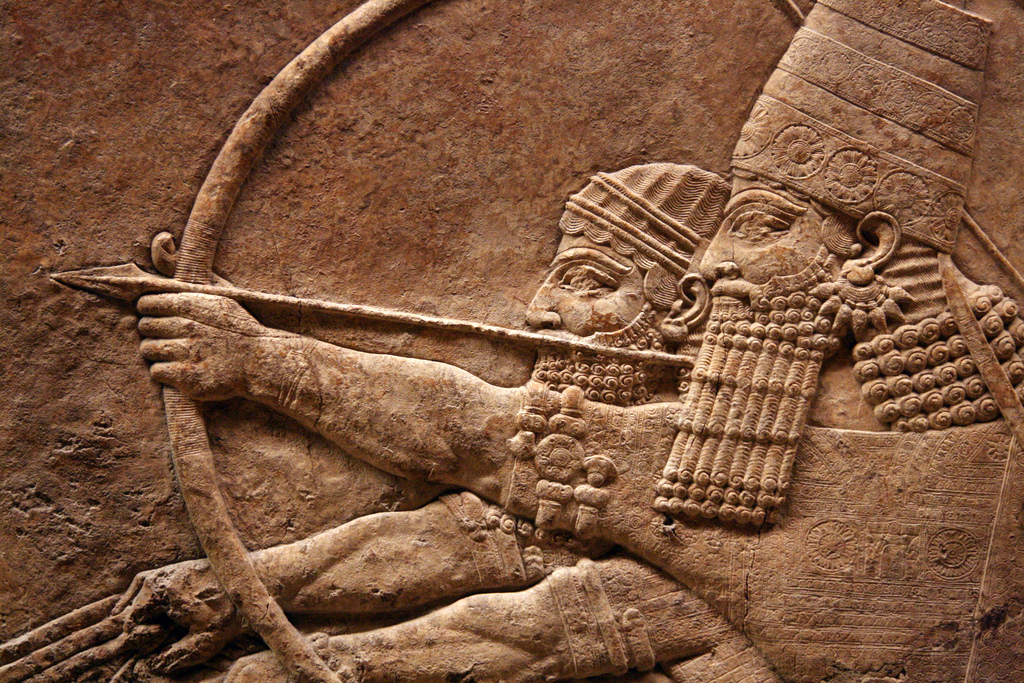
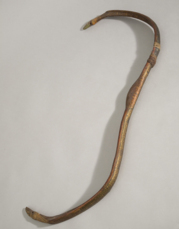
Composite or “Syrian” bow (yayin) of wood, horn, sinew and polychrome lacquered painting on leather; Ottoman period, 17th century, Anatolia, kept in the Medieval Civic Museum of Bologna. From the Parthian era onwards, the art of loosing an arrow was always a particularly prized skill in the lands of the East, a tradition so deeply rooted that not even the introduction of firearms managed to displace it, since this skill was an integral part of the training of every noble Muslim warrior. The Ottomans, Turkish heirs of the powerful nomadic tribes of Central Asia, always held archers in high esteem and devoted great attention to the composite bow (yayin): technical attention in the choice of materials, and artistic attention in the extremely refined decoration painted on paper or parchment, then waterproofed with a thick transparent varnish (a lacquer) carefully applied to the surface. The ornamentation of the bow with delicate floral scrolls is typical of the finest miniaturist repertoire, particularly the marginal drawings of manuscripts and the bindings of codices, which were also lacquered. From the Museo Cospiano or the Marsili Collection.
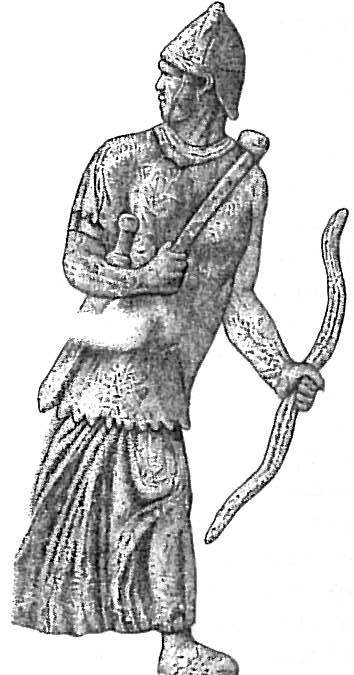
Detail of Trajan’s Column depicting a Syrian archer, 2nd century AD, Rome [photo source:http://www.romanarmy.net/hamians.htm]
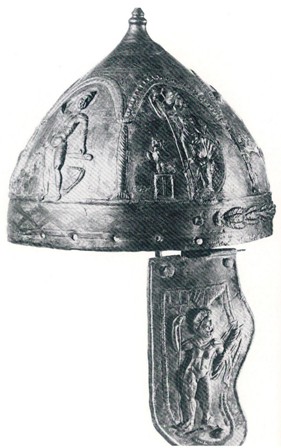
Pair of Scythian helmets, comparable to the depictions on Trajan’s Column (see photo above). [photo source:http://www.romanarmy.net/hamians.htm]
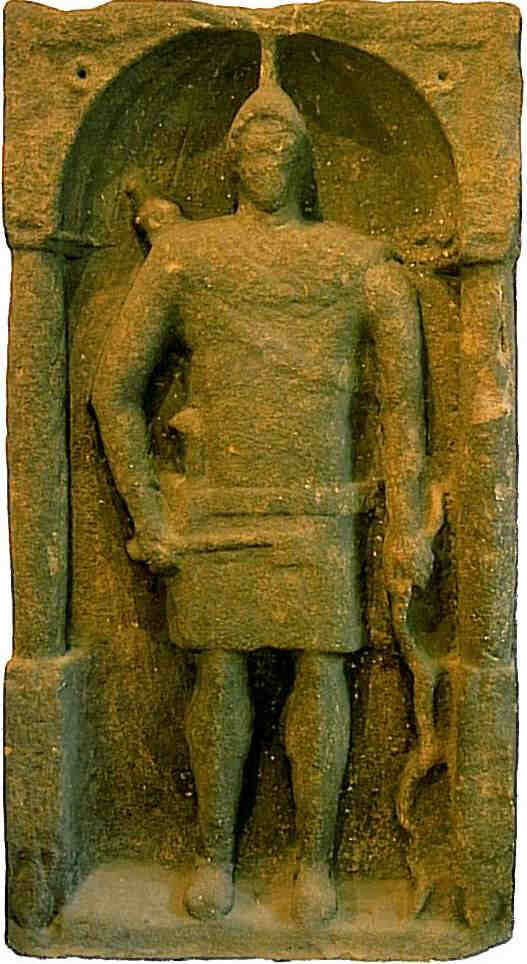
2nd-century AD tombstone from the fort at Housesteads on Hadrian’s Wall, probably depicting a Syrian archer dressed in the Western manner (with a tunic) [photo source: http://www.romanarmy.net/hamians.htm]