
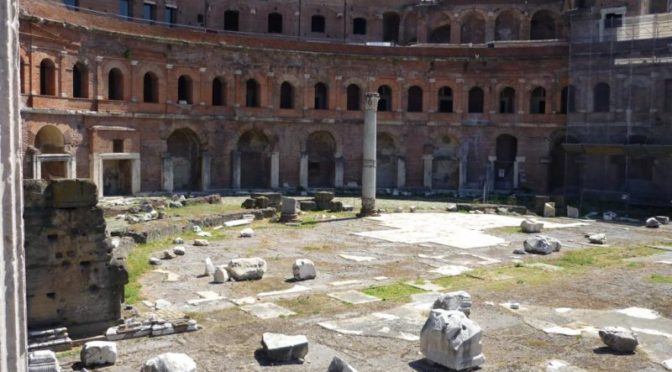
The name “Imperial Fora” refers to the five monumental complexes commissioned by the emperors and built in topographical continuity with the Roman Forum of the regal and
republican period, replacing it in its religious, political and administrative role.
Tag Archives: romans
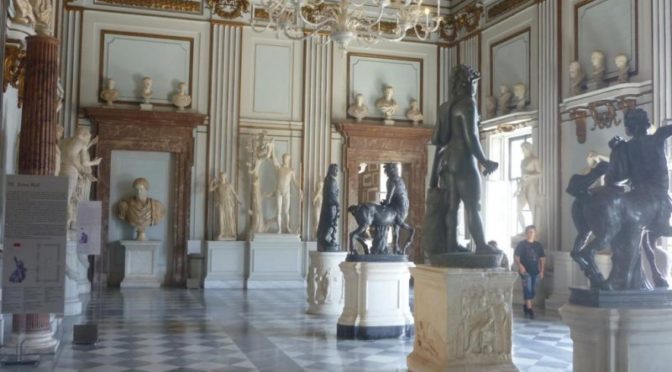
Capitoline Museums (RO)
The Capitoline Museums are housed in two buildings facing each other: the Palazzo dei Conservatori and the Palazzo Nuovo, or Palazzo del Museo.
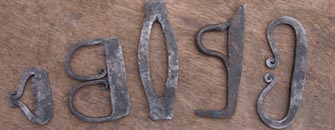
History of the fire striker
As early as the Upper Palaeolithic, some 14,000 years ago, it seems that man was able to make fire by striking stones together: at the sites of Laussel (France) and Trou-de-Charleux (Belgium), nodules of pyrite with clear traces of percussion have been found.
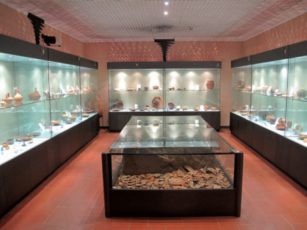
Arsago Seprio Museum (VA)
The Arsago Seprio Museum gathers in its three rooms the archaeological finds from the excavations carried out by the Archaeological Superintendency over the last thirty years. They make it possible to follow the settlement of Arsago and its territory from prehistory up to the Visconti. Continue reading Arsago Seprio Museum (VA)
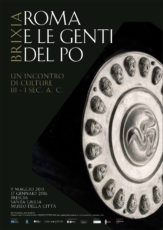
Brixia. Rome and the peoples of the Po (BS)
The exhibition Roma e le genti del Po. Un incontro di culture III-I sec. a.C. is an important opportunity to reflect on the cultural climate of a special historical moment, from the 3rd to the 1st century BC, during which Cisalpine Gaul underwent a profound change through encounters, clashes and integration between peoples of different origins and cultures. The Brescia exhibition sets out to tell the story of the encounter between Rome and the local populations, with the aim of describing a reality that was not just a clash, but had many facets. Continue reading Brixia. Rome and the peoples of the Po (BS)

Alle origini del gusto. Food in Pompeii and Ancient Italy (AT)
The idea of an exhibition in Asti on diet in the ancient world draws its inspiration from the guidelines of Expo 2015 in Milan, “Feeding the Planet. Energy for Life”, which point out that “the quality and wholesomeness of food go hand in hand with the long-established traditions of farming and animal husbandry of local peoples and communities, the fruit of thousands of years of experience onto which strong scientific and technological innovations are now being grafted”. Continue reading Alle origini del gusto. Food in Pompeii and Ancient Italy (AT)